When we published our latest report into children and young people’s reading in June 2026, we were cautiously optimistic to see the beginnings of an uplift in levels of both daily reading and reading enjoyment. This was especially notable after hitting a record low the year before in 2025.
Faced with the latest insights, we wanted to explore to what extent our programmes, initiatives and campaigns were having impact and indeed supporting this emerging, upward trend. In conjunction with a separate evaluation report of our Connecting Stories model we were encouraged to see that in high priority areas of the country where we deliver our place-based work, reading skills and engagement have improved faster than the national average. What we are doing, and have been doing for over a decade in some cases like Bradford and Middlesbrough, is having real and lasting impact.
This is so encouraging.
We know that in order for reading to become more strongly embedded in children and young people’s daily lives, it must be relevant, meaningful and supported by those around them.
Here are three ways we are working in communities to ensure children find a connection to reading and grow the literacy skills they need to thrive.
How we are making reading relevant
Tapping into hobbies and passions
We know that children are more likely to read when it connects to their hobbies and interests; and for our work in Peterborough, football is a powerful gateway.
Thanks to our long-standing partnership with the Peterborough United Foundation, children across the city have been taking part in the United in Reading Challenge.
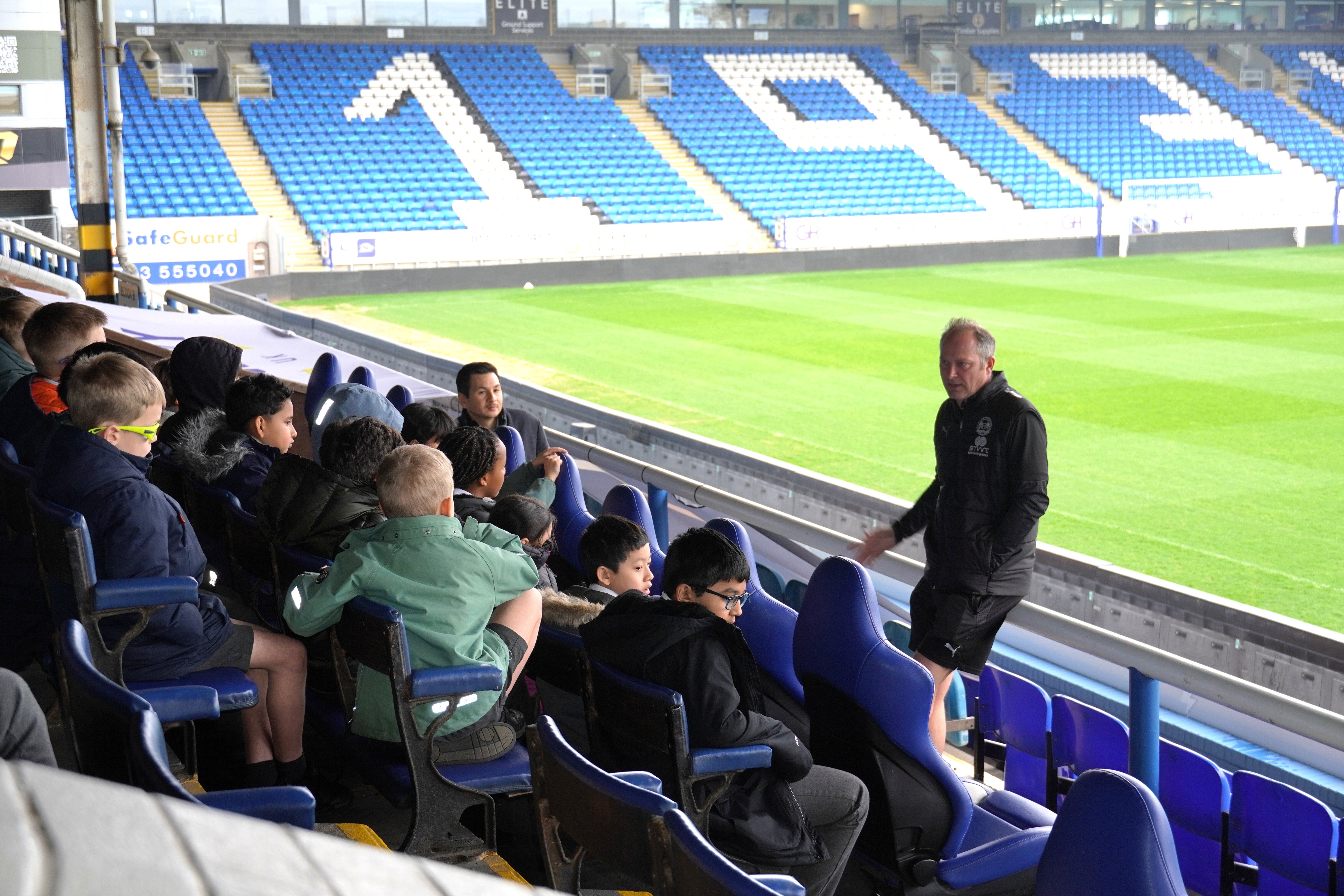
Working with 13 participating primary schools, we set out to engage even their most reluctant readers to read more often for the chance to win a visit from the football club.
“[It’s] helped challenge assumptions about reading,” says Rowane Moles, teacher at St John’s Church School, one of the participating schools. “Many children became interested in exploring a wider range of texts and … linking reading to something they are already passionate about made it much more engaging and relatable.”
In each school, the class or group of pupils who showed the most enthusiasm or progress won a free football session from the team at Peterborough United Foundation. To date more than 2,750 children have taken part.
“Some [children] who might not have ordinarily been keen on a reading challenge have been engaged knowing they could earn a football reward. [They] have been reading more, [and] enthusiastically too, in attempt to win."
Gavin Slater, Schools Sports Manager at the Peterborough United Foundation
Leveraging peer recommendations
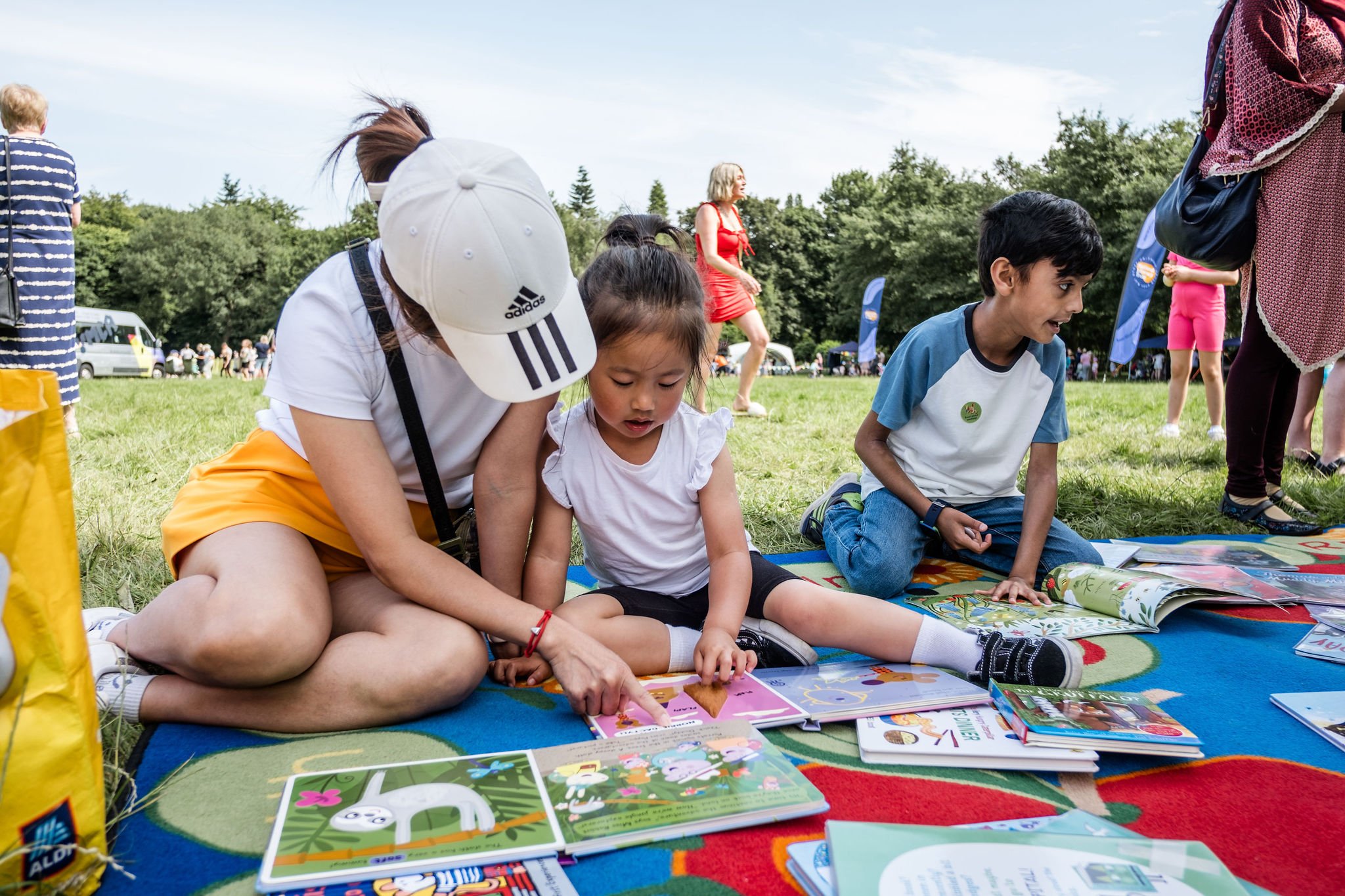
Meanwhile in Stoke, peer recommendations are helping to make reading relevant, thanks to the Stoke 100 Reads list.
Children and young people from across the town have submitted more than 2,500 recommendations to revamp Stoke 100 Reads list. The project, which first launched ten years ago, gives local children a voice and a sense of ownership to help shape what their peers read.
Summerbank Primary School were one of the local schools who helped contribute their favourites to the 100 and teacher Nadia reflected on why initiatives like this matter:
“If [children are] reading things that are relevant to their lives, they’ll read more. It’s got to reflect [them].”
Various resources, including a reading passport created with input from local children, were provided to support them to explore the titles at their local library.
These examples instil a sense of relevance to children’s reading, by creating exciting challenges that motivate and connect to their wider interests.
How we ensure reading experiences are meaningful
We know that children are more likely to enjoy reading if stories feel meaningful or reflective of their experiences; and this is something our work in communities tackles head on.
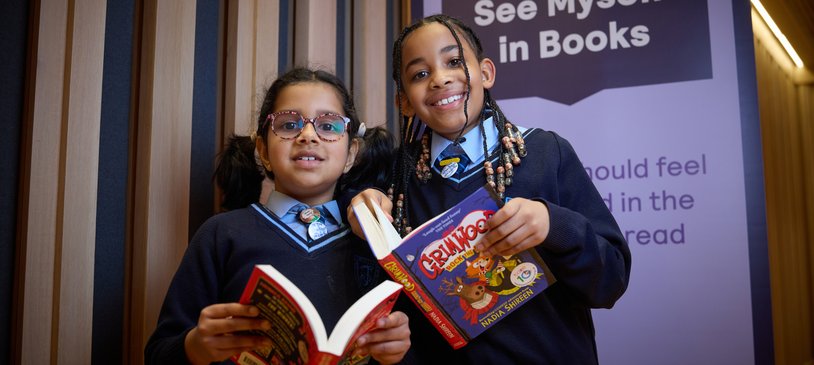
In Manchester, the See Myself in Books project is increasing access to and awareness of diverse books and stories.
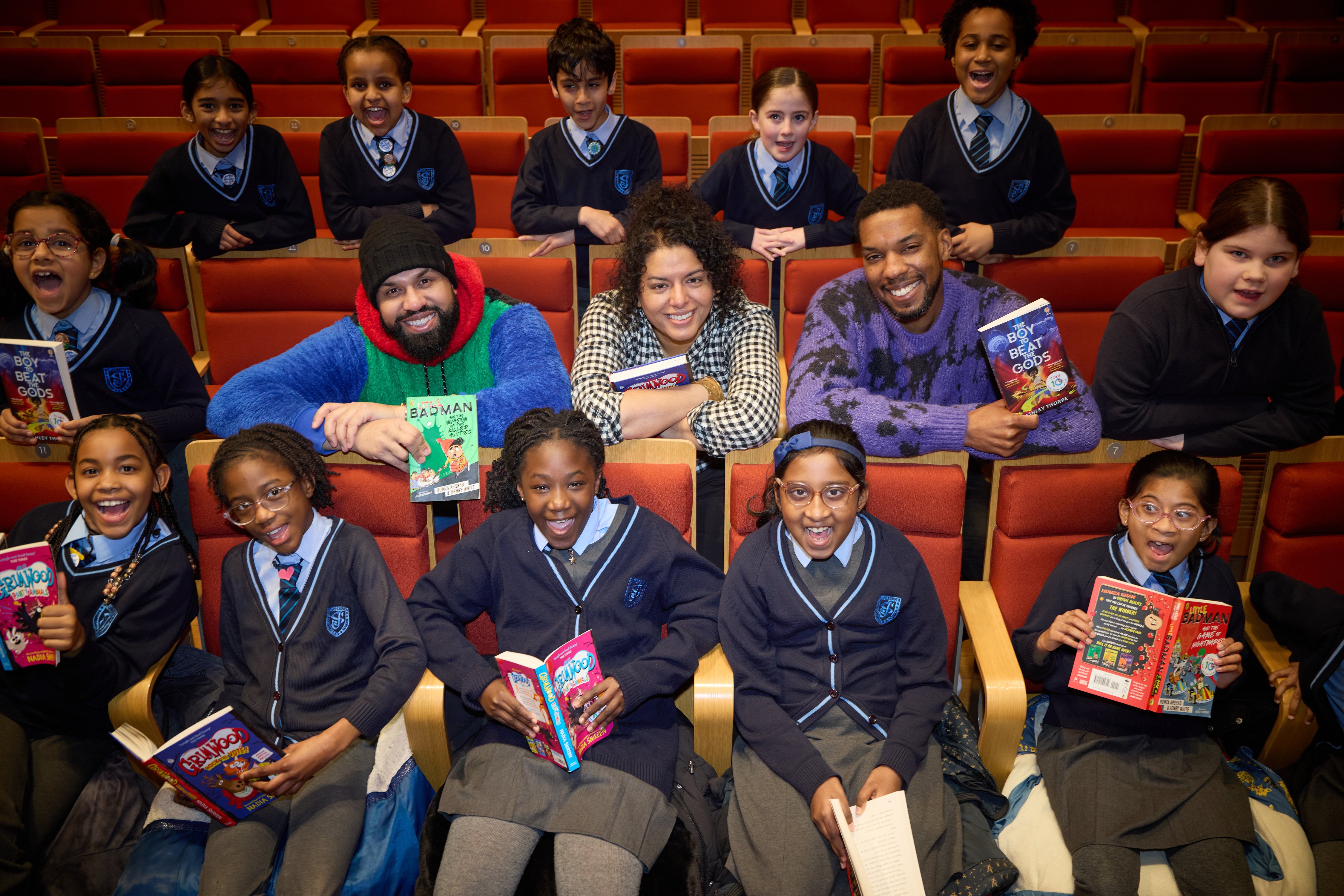
Delivered as part of Read Manchester, the project started as a collection of 25 books themed around ethnic diversity, gifted to local schools along with a supporting teaching resource. This was then expanded to cover neurodiversity, with another collection of 25 books.
Each collection showcases titles with characters and stories that reflect the lives and identities of the local community; helping children feel represented in the books they read.
Not only does this encourage children to read more often by giving them relevant and appealing choices, but it has wider implications too, according to one teacher at a participating school:
“Seeing themselves represented in books helps our pupils feel valued, builds confidence and strengthens their sense of belonging... Books should also be windows into other cultures and perspectives, [and] diverse texts have helped develop their understanding of the world around them.”
Hazel, from Birchfields Primary School
The See Myself in Books project’s central aim is to validate children’s identities and experiences, helping them connect to reading – and the world around them – in a meaningful way.
How we harness community support
Gateways to reading for enjoyment can also come through groups, community spaces and a feeling of belonging.
Our local team in Scarborough has been running a monthly comic book club for 7 to 11 years olds growing up in the town, many of whom perhaps didn’t see themselves as readers before.
Children are encouraged to bring along their favourite comics to discuss with the group, sparking conversations around characters and plotlines and sharing recommendations. And it's having a big impact on their confidence.
“At first, some children were really, really shy and would stay stuck to their parents” says Helen Williams, manager of our work on the Yorkshire Coast. “There's one little girl in particular who has transformed. Now she arrives and heads straight the opposite side of the room, in the midst of all the action with the older children, sharing her ideas and telling others about the comics she has read.”
The children also help shape the sessions, whether that’s nominating themes or comics they want to read together next time or suggesting craft activities – like creating their own comic strips exploring ‘what happened next?’.
“It’s really important for children to have a place where they can express their interests and reading identity,” says Williams. “I think that’s why they keep coming back. We’ve had repeat engagement from nearly every child ... one mum told me her son ‘absolutely loves this more than anything.’”

Be part of changing life stories where you are
If you would like to support our work in local communities, why not join us as a Literacy Champion volunteer or you can make a donation which will help us to ensure all children, whatever their postcode, are able to thrive.