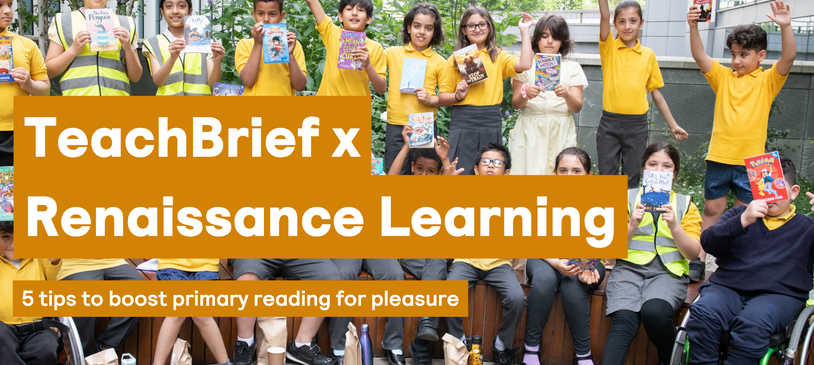
This blog was created in collaboration between Martin Galway, Head of Professional Learning and Partnerships at National Literacy Trust, and Georgina Cook, Education Specialist for Language and Literacy at Renaissance.
The National Year of Reading has arrived at an important time. For the past two decades, children and young people's reading enjoyment has fallen to its lowest levels – with ramifications for children's learning and life outcomes.
But there is hope. The National Literacy Trust's 2026 report on children’s reading in the UK showed a small increase in both reading and enjoyment and daily reading.
The primary years are where reading habits take hold or quietly fall away. Get this right, and we give children the will and skill for a smoother transition into secondary and stronger outcomes, and the wellbeing that reading can offer throughout life. We also help children to see themselves as readers, with tastes, preferences and a voice. That identity, once formed, is built to last.
So if you're looking to boost reading engagement in your primary classroom and encourage regular reading habits, here's 5 ways you can do this - with linked resources and activities to support in the classroom.
5 strategies to raise reading for pleasure in your primary setting
1. Listen to pupil voice and broaden what ‘counts’ as reading
- Children are already making sophisticated reading choices when given autonomy and access. They are navigating genres, authors, themes and communities – often independently. As one pupil shared in the National Literacy Trust’s recent survey on young people’s perspectives on reading, “I usually read on my phone as I can select what type of story I want with characters from games or movies I enjoy… I go on AO3… which I love a lot.”
- Crucially, help them to identify what they enjoy too. This free Book Choice resource includes worksheets and guidance to facilitate a creative activity that supports children to share what sparks their interest – and helps you keep a record for future reading recommendations.
2. Encourage access to reading
- Visit your local library. Libraries can feel difficult to navigate for children who don’t often visit them - but these spaces provide a fantastic chance for children to discover something that they love and connect with reading. As a free and accessible option – with a range of formats such as large print, braille and audio – they can help nurture a diverse range of readers. If you’re lucky enough to have a local library, a class visit can enhance your pupil’s confidence in how they navigate the space, and browse, choose and borrow the books they enjoy. The tips in this Library LifeLine blog will help you plan your visit.
- Ensure accessible formats are available in your setting. This might include graphic novels, illustrated texts, audiobooks, dyslexia-friendly fonts, short-form nonfiction or high-interest/low-reading-age texts. Understanding what they’re reading and enjoying it can build reading confidence and self-efficacy, both crucial for motivation.

Phones and digital tools can be a more accessible format for some readers.
3. Understand where children are – and meet them there
- Create a class display of “All the ways we read” to validate varied reading identities and spark discussion. Explore different reading formats with your class. Ask: Where do you read? What do you read on (book, phone, tablet, audio)? What kinds of stories or texts do you enjoy?
- Understanding what’s driving the gap between school and home reading can help you develop strategies that support reluctant readers beyond the classroom. Renaissance spoke with teachers across the UK about what shapes pupil’s progress and habits. Take a look at their insights and actionable approaches for struggling readers.
4. Don’t insist on persisting
- If a child hates a text, don’t make them finish it. This risks reinforcing the idea that reading is something to endure rather than something to choose. Adult readers do this all the time! Supporting children to do the same builds authentic reading habits and a stronger sense of reader identity.
5. Make reading low stakes
- For many children, reading in school is closely tied to assessment, performance and “getting it right”. But when reading always feels like work, it can quickly become the least appealing option – especially in a world where entertainment is instant and abundant. Low-stakes reading environments help children reconnect with the intrinsic rewards of reading, such as imagination and wellbeing, rather than external expectations.
- Protect a daily 15-minute reading habit. Even a short period of reading each day can have a lasting impact on literacy, confidence and reading enjoyment. Research from Renaissance has found that students who read for an average of 15 minutes daily are exposed to millions more words each year, helping to build vocabulary, comprehension, background knowledge and reading stamina. Over time, these small, consistent reading habits compound, supporting stronger attainment, greater confidence and a lifelong love of reading.
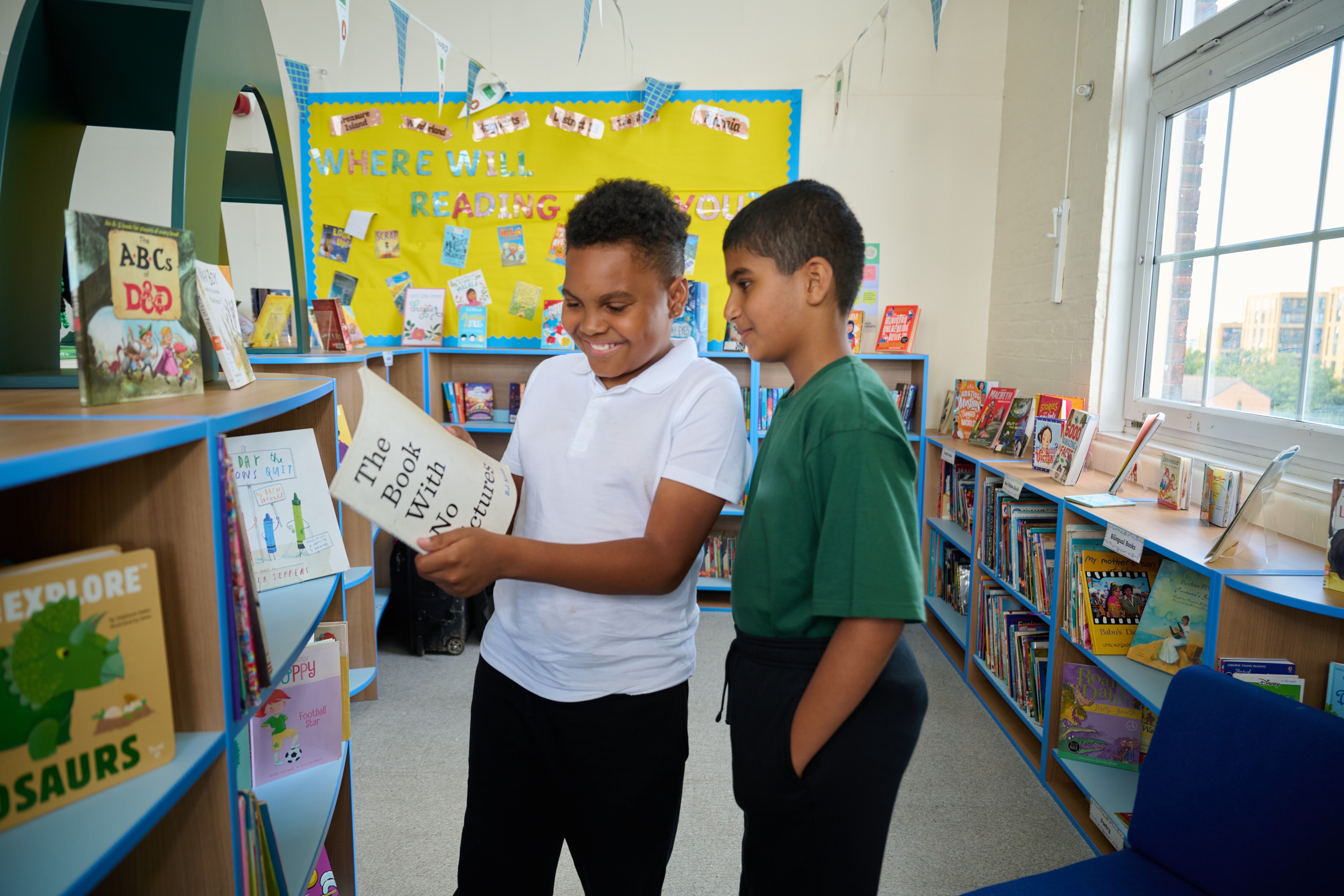
Taking the pressure out of reading time and creating opportunities to explore reading choices can help children discover their own joy in reading.
To summarise:
Reading for pleasure does not happen by accident. It grows where children are given choice, access and the freedom to read in the ways that suit them. The five strategies here share a common thread: trust children as readers. Meet children where they are, rather than where a scheme expects them to be. Let reading become something children return to: for learning, wellbeing, and enjoyment.
Further resources from Renaissance
Find out how Renaissance Accelerated Reader can help you offer children real choice while tracking the reading they do, so that practice and pleasure work together rather than against each other.