This blog was originally published in January 2020 and updated on 16 March 2026.
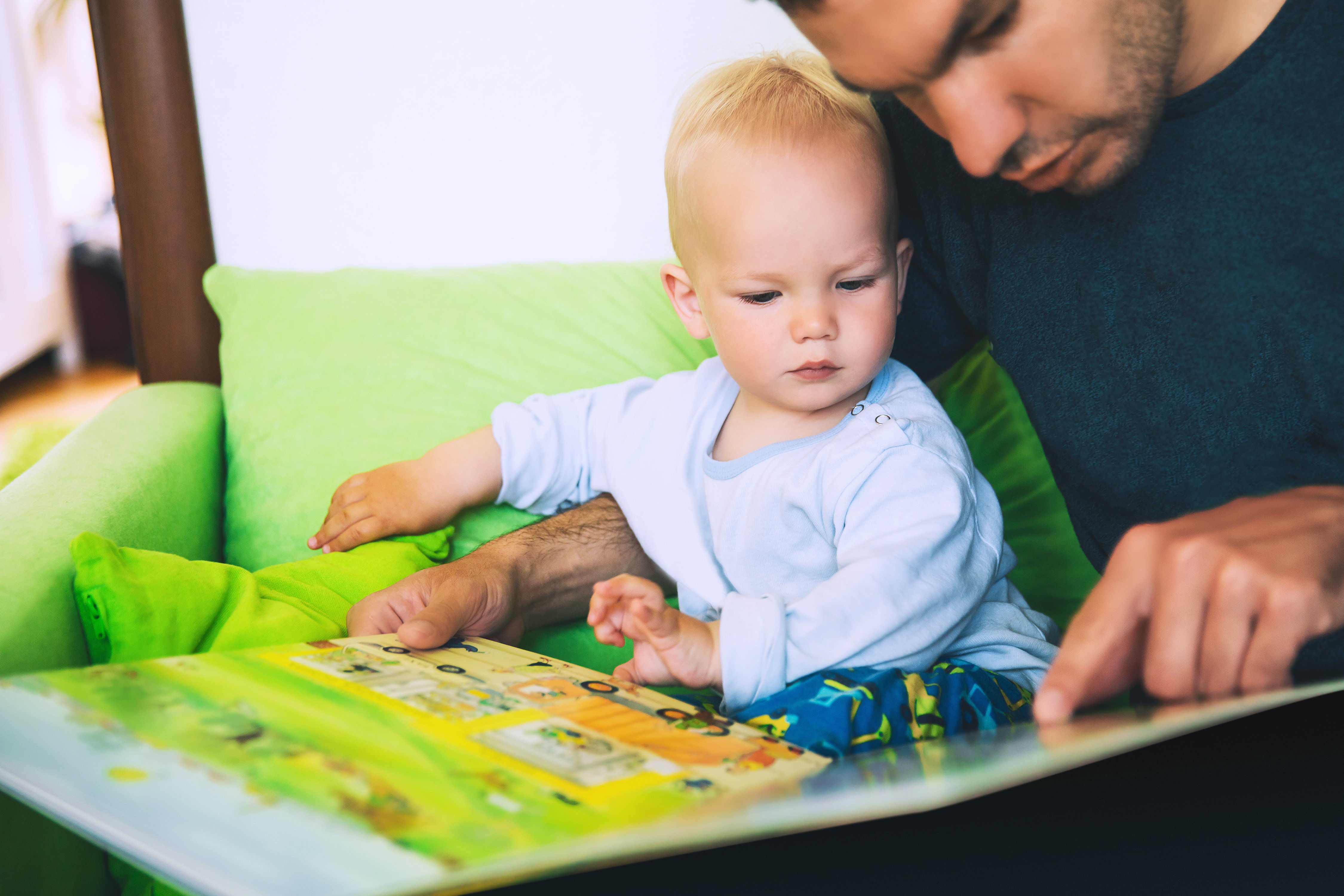
There can be few things as powerful as regularly reading to a young child. It has astonishing benefits for children: comfort and reassurance, confidence and security, relaxation, happiness and fun. Giving a child time and full attention when reading them a story tells them they matter. It builds self-esteem, vocabulary, feeds imagination and even improves their sleeping patterns.
Yet our latest research shows that less than half (45.9%) of parents of children aged 0–5 read with their child daily.
So, why aren't more parents reading daily with their young children?
The position of reading as a staple of entertainment and relaxation is challenged by hectic family lives, lack of time and some parents’ perception that reading to their child is a chore.
The same research, based on a survey of 3,000 UK parents with children aged 0-5, found that growing pressures on young families have contributed to a sustained decline in daily activities, including reading, that support children’s early language development.
Time pressures
Lack of time, driven by working patterns, was the most frequent barrier to parents chatting, reading and playing with their children every day, mentioned by nearly half (44.8%) of parents. This is something which many people can relate to and reinforces what we know about parents with small children – they are very willing to read and spend time with their babies but feel the squeeze on their time.
Financial limitations
Parents also mentioned money as a factor, including the cost of activities (30.5%) and the cost of books (17.6%). There is an expectation among parents, and perhaps some external influences, that playing and reading together has to come at a financial cost – the right toys, games, days out, for example, could feel prohibitive to many parents.
However, playing with your baby or toddler can simply mean singing a nursery time together or splashing in the bath.
A lack of confidence or modelling
Parents who said they don’t engage in reading, chatting and playing were more likely to be from disadvantaged backgrounds. They reported lower levels of confidence in taking part in the activities with their child and in understanding why these activities are important for their child’s language development.
Early years professionals can play a vital role in empowering parents with this confidence and understanding; introducing fun and interactive ways to bring a story to life through sounds, movement and props families might already have to hand.
But why is reading with young children so important?
Reading with young children sets them up for success. We know that what parents do inside and outside of the home to support their child’s literacy and learning has a more powerful impact than parental income or socioeconomic status on shaping early language development, which is critical for a child’s wellbeing, confidence and success at school and beyond.
Most parents are aware of how important reading is as a skill in relation to children's literacy and academic performance, but what about reading for pleasure?
Parents as a wide cohort have typically not been explicitly told about the importance of reading aloud to their child, the benefits of relaxation, time together, the importance of building a routine and love of reading.
Regularly reading to a child for the love of it provides a connection between parent and child from the very early days and helps build strong family ties. Families who enjoy reading together have more opportunities for discussion, developing empathy and attachment.
When should parents start reading with their children?
The earlier parents can start, the better, as it allows the maximum time for their child to grow up with reading and for the love to take root, grow and become part of their life.
Babies start to learn language even before they are born so we even encourage expectant parents to read to their bump!
Do parents really need to start that early?
We know that 90% of brain growth occurs before age five, meaning those first years are crucial for laying the foundations for future learning. Reading to and sharing books with babies and young children, and giving them time to respond, feeds their brain, helps them learn new words and grows their vocabulary.
Reading to their infant is one of the greatest gifts parents can give. By starting the journey of building a lifelong love of reading for pleasure, parents are giving their child the opportunity to be the best they can be:
The vital role of early years professionals
We work closely with early years practitioners and those working with young families to support and empower parents with the skills and confidence they need to make chatting, playing and reading part of their daily lives.
Two years into our five-year Early Words Matter campaign, we have boosted the early literacy of almost 70,000 pre-school children in areas most seriously impacted by low literacy and poverty by bolstering support for parents, early years settings and local communities.
Our new, free resource, Embedding the home learning environment: Evidence, practice and partnerships, brings together the best available evidence and practical insight to support those working with families to strengthen the home learning environment.
Our free National Year of Reading resources offer early years settings simple, playful ideas to build stories and books into everyday activities and routines, in addition to a starter toolkit and termly professional development webinars.